What Is Perfume? A Complete Guide to Fragrance for Beginners | SAVARA
What Is Perfume? A Complete Guide to Fragrance for Beginners
Perfume is much more than a pleasant smell. It can become part of your personality, complement your outfit, create memories and set the mood for an occasion.
But if you are new to fragrances, terms such as EDP, EDT, top notes, heart notes, base notes, oud, musk, amber, sillage and concentration can seem confusing.
So, what exactly is perfume?
Perfume is a fragrant mixture created by combining aromatic ingredients with a carrier, commonly perfume-grade alcohol and sometimes other ingredients, to produce a pleasant scent that can be applied to the body or clothing.
In this complete beginner's guide, SAVARA explains everything you need to know about perfume—from how fragrance is made and how it develops on your skin to fragrance families, concentration, longevity and how to choose a perfume that suits you.
What Is Perfume?
Perfume is a carefully formulated combination of fragrance materials and a carrier designed to create a particular scent.
The fragrance materials may include:
Natural essential oils
Extracts from flowers, fruits, woods and spices
Aroma molecules
Resins and balsamic materials
Musk and amber accords
Oud and woody accords
Synthetic fragrance ingredients
The carrier helps distribute the fragrance and allows it to evaporate gradually after application.
Modern perfumery uses both natural and synthetic ingredients. Synthetic materials are not simply substitutes for natural ingredients; they can provide specific aromas, consistency, stability and effects that may be difficult to obtain from natural materials alone.
The result is a fragrance with its own character, structure and evolution.
What Is the Difference Between Perfume and Fragrance?
The words perfume and fragrance are often used interchangeably, but they can have slightly different meanings.
Fragrance is a broad term that can refer to a scented product or the scent itself.
For example, fragrance can include:
Perfumes
Eau de Parfum
Eau de Toilette
Attars
Fragrance oils
Body mists
Room fragrances
Other scented products
Perfume, in everyday use, usually refers to a product designed to provide a personal fragrance.
So, when someone asks:
"What is your favorite fragrance?"
They may be talking about the scent profile.
When they ask:
"Which perfume are you wearing?"
They are usually referring to the actual personal fragrance product.
How Does Perfume Work?
Have you ever sprayed perfume and noticed that it smells different after 5 minutes, 30 minutes and several hours?
That's completely normal.
Perfume is designed to develop over time.
After you spray a fragrance, different aromatic materials evaporate at different rates. This creates what is commonly described as a fragrance's top, heart and base notes.
Think of perfume as a journey rather than a single smell.
Stage 1: Top Notes
The top notes are the first impression you get after applying perfume.
They are generally made from more volatile aromatic materials and are noticeable soon after application.
Common top-note styles include:
Citrus
Bergamot
Lemon
Orange
Grapefruit
Mint
Light fruits
Fresh aquatic accords
Top notes typically provide the fragrance's initial freshness and first impression.
Stage 2: Heart Notes
After the initial top notes begin to fade, the heart or middle notes become more noticeable.
These notes form much of the fragrance's central character.
Common heart-note styles include:
Rose
Jasmine
Lavender
Geranium
Fruity accords
Spices
Soft florals
Heart notes often create the personality of the fragrance.
Stage 3: Base Notes
Base notes become more prominent as the fragrance dries down.
They are generally heavier and longer-lasting aromatic materials.
Common base-note styles include:
Oud
Musk
Amber
Vanilla
Sandalwood
Cedarwood
Patchouli
Tonka
Resins
Base notes help create depth and can remain noticeable for many hours depending on the formulation, concentration, skin, environment and application.
Understanding Perfume Notes
One of the most important things to understand when choosing a perfume is fragrance notes.
A fragrance note describes an aromatic impression or ingredient used in a perfume composition.
For example, a perfume may be described as:
Top: Bergamot
Heart: Rose
Base: Musk and Sandalwood
This doesn't necessarily mean the perfume contains only those four materials. A finished fragrance can contain many ingredients working together to create the overall accord.
This is why reading fragrance notes can help you understand the style and character of a perfume before purchasing it.
What Are Fragrance Families?
Fragrance families group perfumes according to their dominant scent characteristics.
Some commonly encountered fragrance families include:
1. Floral
Floral fragrances feature flower-inspired aromas.
Popular floral styles include:
Rose
Jasmine
Tuberose
Lavender
Orange blossom
Lily
Floral fragrances are particularly common in women's perfumes, although floral notes are widely used in fragrances for everyone.
2. Woody
Woody fragrances are built around warm, dry or creamy wood characteristics.
Common woody notes include:
Sandalwood
Cedarwood
Vetiver
Patchouli
Oud
Woody perfumes can work particularly well for evening wear and cooler seasons, although the right formulation can be worn throughout the year.
3. Fresh
Fresh fragrances create a clean, bright or refreshing impression.
They may feature:
Citrus
Green notes
Aquatic accords
Mint
Fresh fruits
Fresh fragrances are often popular for everyday wear and warmer weather.
4. Oriental / Amber
Many modern fragrance descriptions use terms such as amber, warm, spicy or opulent instead of the older "oriental" classification.
These fragrances may contain combinations of:
Amber accords
Vanilla
Spices
Resins
Woods
Musk
They often create a warm and rich fragrance experience.
5. Fruity
Fruity fragrances use fruit-inspired accords such as:
Apple
Peach
Pear
Mango
Berries
Citrus fruits
Fruity notes can be fresh, sweet, juicy or sophisticated depending on how they are combined with other notes.
6. Musky
Musk-based fragrances can range from clean and soft to warm and sensual.
Musk is frequently used as a base or supporting element to provide softness, depth and persistence to a fragrance.
What Is Perfume Concentration?
Another important factor when buying perfume is fragrance concentration.
Concentration generally refers to the proportion of fragrance materials in the finished fragrance product. However, concentration alone does not guarantee how long a perfume will last.
Other factors include:
Formula composition
Raw materials
Skin chemistry
Temperature
Humidity
Application method
Where the fragrance is applied
Individual perception
You may encounter products described as:
Eau de Cologne
Traditionally a relatively light fragrance format with lower fragrance concentration.
Eau de Toilette (EDT)
Generally lighter than Eau de Parfum and often designed for a fresh, versatile fragrance experience.
Eau de Parfum (EDP)
Generally contains a higher fragrance concentration than EDT and is often chosen when people want more intensity and persistence.
Parfum / Extrait
Usually a more concentrated fragrance format.
Important: Concentration ranges can vary between manufacturers and products, so terms such as EDP and EDT should be understood as product categories rather than exact universal percentages.
Does Higher Concentration Always Mean Longer-Lasting Perfume?
Not necessarily.
This is one of the most common misunderstandings about perfume.
A fragrance's performance depends on the complete formulation, not concentration alone.
For example, some aromatic materials naturally evaporate quickly, while others remain noticeable much longer.
A fragrance containing long-lasting woody, musky or resinous materials may behave differently from a fragrance dominated by light citrus notes.
Therefore:
Higher concentration ≠ automatically longer-lasting.
When evaluating a perfume, consider the complete fragrance profile, concentration, formulation and your own experience on skin.
What Is Perfume Longevity?
Longevity refers to how long a fragrance remains perceptible after application.
For example, you might apply perfume in the morning and still notice traces of it later in the day.
However, longevity varies considerably.
Factors affecting longevity include:
Skin
Fragrance can behave differently on dry and moisturized skin.
Temperature
Heat can increase evaporation and change how a fragrance develops.
Humidity
Humidity can influence fragrance perception and evaporation.
Fragrance Composition
Woody, musky, amber and resinous materials can often contribute to longer-lasting characteristics.
Application
Applying fragrance appropriately to suitable areas can influence the experience.
Personal Perception
Your nose can become accustomed to a fragrance after wearing it for some time. This is called olfactory adaptation.
You may stop noticing your perfume even though other people can still smell it.
What Is Sillage?
Sillage refers to the scented trail that a fragrance leaves around the wearer.
Imagine someone walks past you and you notice their fragrance after they have moved away.
That fragrance trail is commonly described as sillage.
A fragrance can have:
Soft sillage
Moderate sillage
Strong sillage
Sillage is different from longevity.
A perfume can last for many hours but have relatively subtle projection.
What Is Perfume Projection?
Projection refers to how far the fragrance extends from the wearer.
A fragrance with strong projection may be noticeable from a greater distance, while a softer fragrance may remain closer to the skin.
Therefore:
Longevity = how long it lasts
Projection = how far it radiates
Sillage = the scented trail it leaves
Understanding these three terms makes it easier to compare fragrances.
Perfume vs Attar: What's the Difference?
Perfume and attar are both used for personal fragrance, but they are different fragrance formats.
Traditional attars are typically oil-based and are associated with traditional perfume-making practices, particularly in South Asia and the Middle East.
Modern perfumes commonly use alcohol-based formats, although formulations vary.
Perfume
Commonly alcohol-based
Spray application is typical
Can have a broad range of fragrance styles
Convenient for everyday use
Attar
Typically oil-based
Usually applied in small quantities
Often associated with traditional perfumery
Can provide a rich, intimate fragrance experience
Neither format is universally "better." The choice depends on your fragrance preference and how you like to wear perfume.
How to Choose the Right Perfume
Choosing a perfume can initially feel difficult because there are thousands of fragrances available.
The easiest approach is to consider five things.
1. Your Personality
Do you prefer:
Fresh and energetic?
Look for citrus, aquatic and green fragrances.
Elegant and sophisticated?
Consider floral, woody, musk or refined amber fragrances.
Bold and powerful?
Oud, leather, spices and deeper woods may appeal to you.
Warm and comforting?
Look at vanilla, amber, musk and sandalwood.
2. The Occasion
Different situations may call for different fragrance styles.
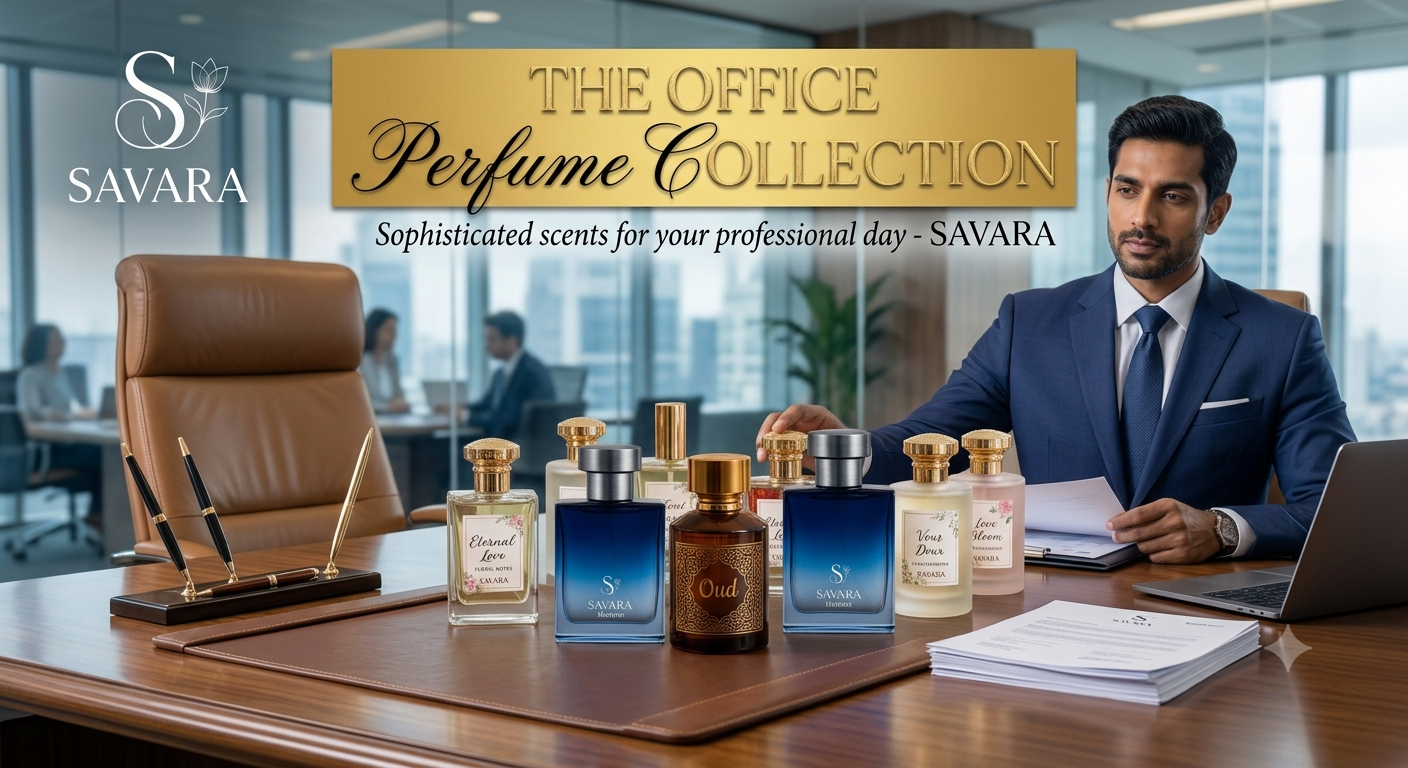
Office
Choose something clean, fresh and relatively moderate.
Date Night
You may prefer something warm, romantic or sophisticated.
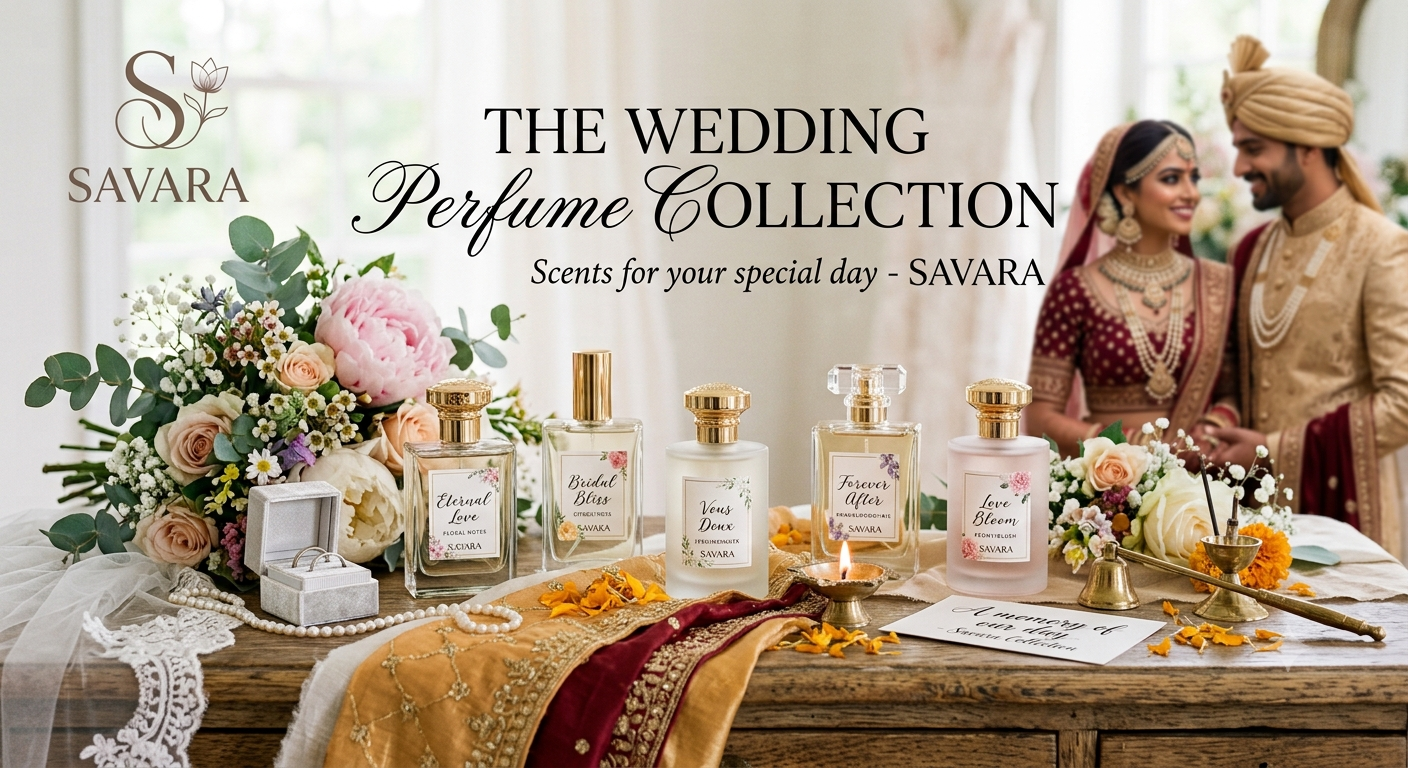
Wedding
Rich floral, oud, amber, musk and woody fragrances can complement formal celebrations.
Everyday
Fresh, clean and versatile fragrances can work well.
Evening Party
Warm, woody, amber, spicy or musky fragrances can create a stronger evening character.
3. The Weather
Your environment matters.
For hot Indian summers, many people prefer:
Citrus
Fresh
Aquatic
Green
Light woody fragrances
For cooler weather, richer styles can be appealing:
Oud
Amber
Musk
Vanilla
Sandalwood
Spicy woods
This is one reason there isn't a single "best perfume" for everyone.
4. Your Fragrance Family
Start by identifying the fragrance families you enjoy.
If you already like:
Rose → explore floral fragrances.
Oud → explore woody/oud fragrances.
Musk → explore musky and clean fragrances.
Citrus → explore fresh fragrances.
Vanilla → explore gourmand, amber and sweet fragrances.
Once you know your preferred family, finding new fragrances becomes much easier.
5. Test Before Making Your Final Choice
Whenever possible, test a fragrance on your skin.
Don't judge a perfume only from the first spray.
Instead:
0 minutes: Experience the opening.
15–30 minutes: Notice the developing heart.
Several hours later: Experience the dry-down and base.
This gives you a much better idea of whether the perfume suits you.
Where Should You Apply Perfume?
Common application areas include:
Wrists
Neck
Behind the ears
Chest
Other suitable pulse areas
Avoid aggressively rubbing the fragrance after spraying.
A simple approach is to spray and allow it to settle naturally.
You can also apply fragrance to clothing where appropriate, keeping in mind that some fragrance formulas can potentially stain or affect delicate fabrics.
How Can You Make Your Perfume Last Longer?
Here are some practical tips.
1. Apply to Moisturized Skin
Fragrance may perform better on moisturized skin than on very dry skin.
2. Don't Over-Rub
Allow the fragrance to dry naturally.
3. Store Perfume Properly
Keep perfume away from:
Direct sunlight
Excessive heat
Large temperature fluctuations
Humid environments
A cool, dry and relatively stable environment is generally preferable.
4. Choose the Right Fragrance
If you need a fragrance for a long day, consider fragrance profiles and formulations known for greater persistence.
5. Don't Judge Too Quickly
Allow the fragrance to develop before deciding whether you like it.
How Should Perfume Be Stored?
Proper storage can help preserve the fragrance over time.
Keep your perfume:
Away from sunlight
UV exposure can affect fragrance materials.
Away from excessive heat
High temperatures can accelerate changes in some fragrance formulations.
Away from humidity
The bathroom may not be the ideal place for storing perfume because of repeated heat and humidity changes.
With the bottle properly closed
Keep the cap securely closed when the perfume isn't being used.
A bedroom cupboard or another cool, dry storage location is generally a better option than a sunny windowsill.
Why Does Perfume Smell Different on Different People?
Have you ever smelled a perfume on a friend and loved it, only to find that it smells different when you wear it?
That's normal.
A fragrance interacts with your skin and environment.
Differences can be influenced by:
Skin condition
Moisture
Temperature
Body chemistry
Amount applied
Environment
Individual perception
This is why testing a perfume on your own skin can be more informative than relying only on how it smells on someone else.
How to Start Building a Perfume Collection
You don't need dozens of perfumes.
A simple fragrance wardrobe can begin with four or five styles.
1. Everyday Fresh Fragrance
For daily activities and warm weather.
2. Office Fragrance
Clean, elegant and moderate.
3. Evening Fragrance
Warm, sophisticated and more distinctive.
4. Special Occasion Fragrance
A richer fragrance for weddings and celebrations.
5. Signature Fragrance
A scent that feels strongly connected with your personal style.
As you explore different fragrance families, you can gradually expand your collection.
What Makes a Perfume Feel Luxurious?
Luxury is not determined by one ingredient alone.
A sophisticated fragrance may result from:
Quality of raw materials
Balance between fragrance notes
Complexity of the composition
Smooth transitions between notes
Fragrance concentration
Packaging
Presentation
Consistency of formulation
Overall fragrance experience
Ingredients such as oud, rose, saffron, amber, musk and sandalwood are often associated with rich and luxurious fragrance profiles, but the final experience depends on how the materials are composed.
How to Choose a Perfume Online
Buying perfume online can be challenging because you cannot smell the fragrance through your screen.
Before purchasing, look for:
Fragrance Notes
Check the top, heart and base notes.
Fragrance Family
Is it floral, woody, fresh, musky, amber or another style?
Concentration
Look for information such as EDP or EDT where applicable.
Size
Choose a size appropriate for your intended use.
Occasion
Consider whether you're looking for everyday, office, evening, wedding or gifting use.
Customer Reviews
Reviews can provide useful information about other customers' experiences, although fragrance perception is subjective.
Brand Information
Look for clear information about the fragrance, ingredients where provided, usage and product specifications.
Discover the SAVARA Fragrance Experience
At SAVARA – The Royal Fragrances, fragrance is inspired by the idea that scent can become part of your personal identity and everyday elegance.
Our fragrance collection explores different fragrance personalities—from rich and sophisticated oud and woody profiles to elegant floral, musk and fresh fragrances.
Whether you are looking for an everyday fragrance, an evening scent, a special-occasion perfume or a gift, the goal is to help you discover a fragrance that feels right for you.
Explore SAVARA fragrances and discover the scent that becomes part of your story.
[Explore SAVARA Perfumes]
Frequently Asked Questions About Perfume
What is perfume?
Perfume is a formulated mixture of aromatic materials and a carrier designed to provide a pleasant fragrance when applied to the body or clothing.
What is the difference between perfume and fragrance?
Fragrance is a broader term that can refer to a scent or scented product, while perfume commonly refers to a personal fragrance product.
What are top, middle and base notes?
Top notes create the initial impression, middle notes form much of the fragrance's central character, and base notes become more prominent during the dry-down and contribute depth and persistence.
Does expensive perfume always last longer?
No. Price alone does not determine longevity. Performance depends on formulation, materials, concentration, application, skin and environmental conditions.
Does higher perfume concentration mean longer-lasting fragrance?
Not always. Concentration is one factor, but the composition of the fragrance and the wearer's skin and environment also influence performance.
How many sprays of perfume should I use?
There is no universal number. Start with a small amount and adjust according to the fragrance, occasion, environment and your personal preference.
Where should I apply perfume?
Common application areas include the neck, wrists and other suitable pulse areas. Follow the product's directions and avoid applying fragrance to irritated or broken skin.
How should perfume be stored?
Store perfume in a cool, dry place away from direct sunlight, excessive heat and large temperature fluctuations. Keep the bottle properly closed.
Which perfume is best for beginners?
There is no single best perfume for everyone. Beginners can start by choosing a fragrance family they already enjoy and then select a fragrance appropriate for their personality, occasion and climate.
Final Thoughts
Perfume is a combination of art, science and personal expression.
Understanding fragrance notes, concentration, fragrance families, longevity, projection and sillage can make choosing a perfume much easier.
Most importantly, don't choose a fragrance simply because someone else likes it.
Your perfect fragrance is the one whose character feels right for you.
Explore different fragrance families, test fragrances on your skin, give them time to develop and gradually discover the scents that become part of your personal style.
Discover SAVARA – The Royal Fragrances.
Recent Posts


Subscribe to our newsletter for regular updates about Offers, Coupons & more